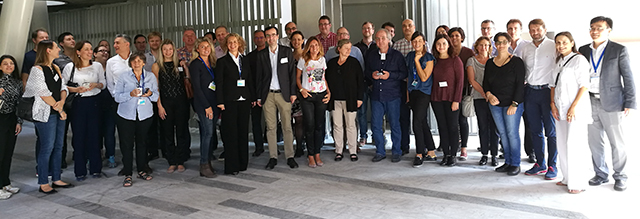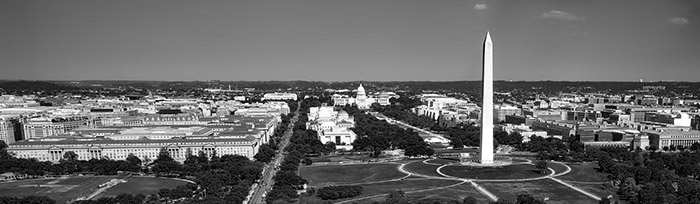
About 70 international participants joined the exciting discussions at the 3rd MoniQA International Symposium on Food Fraud Prevention and Effective Food Allergen Management, Rockville, MD, USA, 30 October – 1 November 2019! https://rockville2019.moniqa.org. In the food fraud sessions on day 1 the speakers gave practical insights in litigation cases, class actions, and strategies and methods for detecting and combating food fraud. Some of the cases might give great themes for crime TV series with the difference that the cases presented are real. The symposium audience appreciated the presentations on the legal regulations and the sophisticated tools to detect food fraud. On day 2 newly developed food allergy and food allergen management tools and innovative analytical methods were presented and discussed.
A special thank you goes to all presenters of posters and talks, which stimulated food for thought and diverse views on various matters concerning food fraud prevention and food allergen management.
Day 1: Sally Greenberg, National Consumers League, USA; Bert Popping, MoniQA President and FOCOS, Germany, Richard Cantrill, MoniQA Past President and IAM, Canada; Michael Walker, LGC, UK; Manuela Beatrisotti, Technical Regulatory Manager, Barilla, Italy; Amanda Manolis, Thermo Fisher Scientific, USA; Atef Idriss, MEFOSA, Lebanon; Steven Gendel, USP, USA; Ricardo Carvajal, Hyman, Phelps & McNamara, P.C., USA; Glenford Jameson, G. S. Jameson & Company, Canada; Allison Fulton, SheppardMullin, USA; and Cesare Varallo, foodlawlatest.com, Italy.
Day 2: Jupiter Yeung, Nestlé, USA; Clare Mills, University of Manchester, UK; Melanie Downs, University of Nebraska, USA; Anthony Flood, International Food Information Council, USA; Ronald Niemeijer, R-Biopharm, Germany; Eric Garber, FDA, USA; Martin Chapman, INDOOR Biotechnologies Inc, USA; Rakhi Panda, FDA, USA; Katherine Fiedler, FDA, USA; Anne Eischeid, FDA, USA; Weili Xiong, FDA, USA; Cesare Varallo, foodlawlatest.com, Italy; Bert Popping, MoniQA President and FOCOS, Germany; Gill Holcombe, LGC, UK; Michael Walker, LGC, UK; and Roland Poms, MoniQA Association, Austria.
The Book of Abstracts for all oral and poster presentations can be found at https://www.wageningenacademic.com/toc/qas/11/Supplement+1 published in the peer-reviewed online journal of QAS (Quality Assurance and Safety ,of Crops & Foods, which offers the entire supplement as open access. Please feel free to share this link with anyone in your network or also on your websites.
All presentations of the event are available for viewing for the participants of the event and for MoniQA members.
We are already planning our next event, the 4th MoniQA International Symposium on Food Fraud Prevention and Effective Food Allergen Management will be scheduled in early 2021, the location has not been confirmed yet, but is tentatively planned to be in Vienna, Austria.
Please stay also tuned for upcoming meetings which MoniQA is organizing:
- 10 May 2020, Workshop for Codex Alimentarius Delegates and MoniQA Members/Stakeholders, Budapest, Hungary: Risk Based Food Allergen Management/Defining Food Fraud (about 100 pax)
- 7 June 2020, Celebrating World Food Safety Day with the United Nations. A special event to be announced.
- In the week of 9-13 November 2020, 6th MoniQA International Conference “The Future of Food Safety in View of Changing Food Systems” (working title). Rome, Italy, in cooperation with various international organizations (about 250-300 pax)
- In early 2021, 4th MoniQA International Symposium on Food Fraud Prevention and Effective Food Allergen Management (about 100-120 pax)
Thank you to our sponsors of the symposium in Rockville, MD, USA, who made this event feasible and affordable. Thank you to USP for hosting the event and thank you to the conference management team on the ground comprised of USP and MoniQA staff who did an excellent job in making everyone feel comfortable and by taking care that management processes ran smoothly in the background.


We hope to see you again soon! If you have any questions or if you are interested in getting involved more in MoniQA activities, please do not hesitate and contact us at moniqa@moniqa.org.
On behalf of the organizers
Dr. Bert Popping, MoniQA President, Germany
Dr. Richard Cantrill, MoniQA Past-President, Canada
Dr. Linda Monaci, MoniQA Vice President, Italy
Dr. Roland Poms, MoniQA Secretary General/CEO, Austria
Dr. Steven Gendel, Senior Director - Food Science, Food Chemical Codex, USP, USA
Dr. Cesare Varallo, Food Lawyer and General Manager of FoodLawLatest, Italy